
The chances of seeing whales on the Gold Coast are surprisingly high during the annual humpback whale migration season. One of the most common questions first-time guests ask before booking a whale watching cruise is simple:
"Will I actually see whales?"
It's a fair question.
After all, whales are wild animals, not attractions waiting in a designated location.
The good news is that the Gold Coast sits directly on one of the world’s most remarkable wildlife migration routes. Every year, thousands of humpback whales travel along Australia’s east coast, creating exceptional opportunities for whale encounters throughout the season.
So what are your chances of seeing whales on the Gold Coast?
The short answer: very good.
If you're planning your first whale watching experience, our complete guide to luxury whale watching on the Gold Coast explains everything from the migration season and choosing the right cruise to preparing for your day on the water.
Why the Gold Coast Is Such a Reliable Whale Watching Destination
The Gold Coast lies directly beside the annual humpback whale migration corridor.
Between May and November, whales travel north toward warmer breeding grounds before making their return journey south later in the season.
If you're curious about this incredible journey, discover why humpback whales migrate past the Gold Coast every year and what drives one of the world's longest mammal migrations.
Because this migration route passes relatively close to the coastline, whale watching vessels don’t need to travel hundreds of kilometers offshore to find activity.
Instead, operators can position themselves within active migration areas where whales are regularly observed throughout the season.
This unique geography is one of the reasons the Gold Coast has become one of Australia’s most popular whale watching destinations.
How Many Whales Travel Past the Gold Coast Each Year?
Each year, tens of thousands of humpback whales migrate along Australia’s eastern coastline.
The population has grown significantly since commercial whaling ended, creating more opportunities for sightings than ever before.
During peak migration months, multiple whale pods can often be observed during a single cruise.
Guests may encounter:
· Adult humpback whales
· Mother and calf pairs
· Competitive pods
· Social groups
· Solitary travellers
The sheer volume of migrating whales dramatically increases the likelihood of successful encounters.
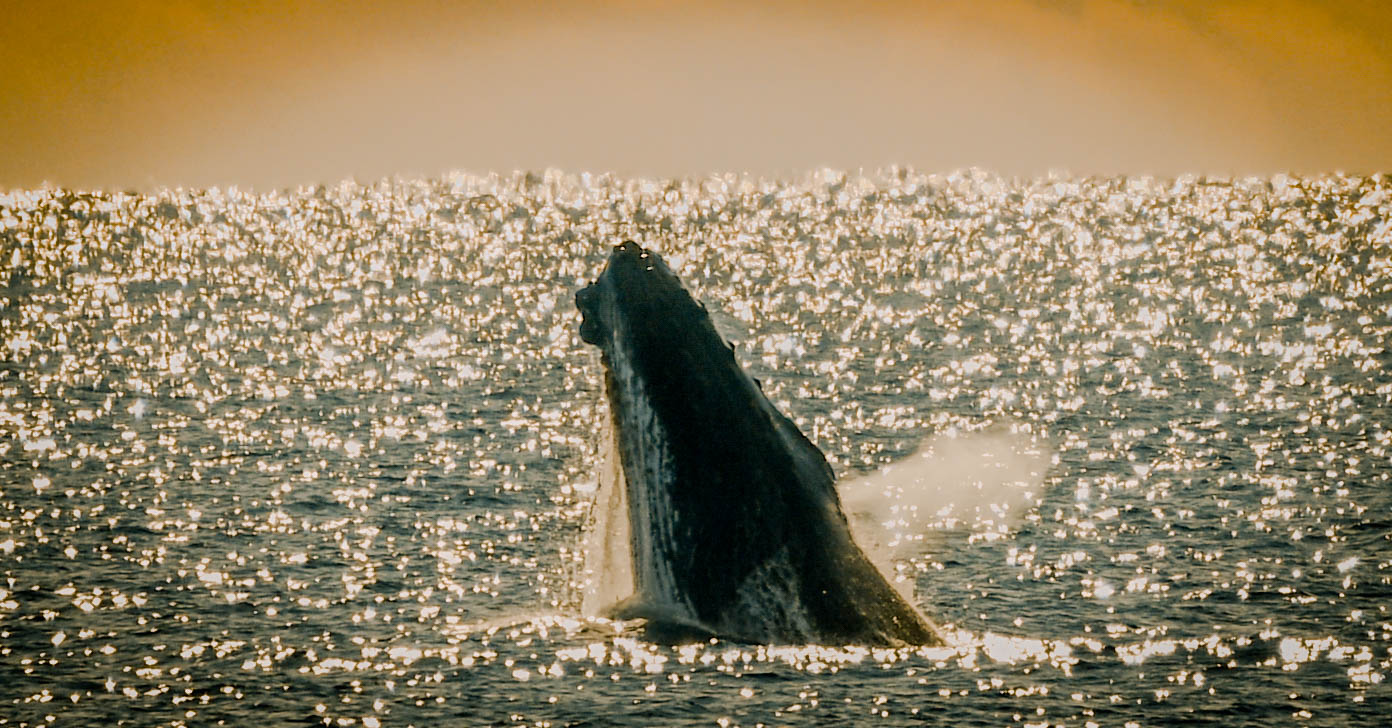
Seeing whales is only part of the experience. During the migration, guests may also witness breaching, tail slapping, spy hopping, and other remarkable whale behaviours.
When Are the Chances of Seeing Whales on the Gold Coast Highest?
Although whales can be seen throughout the migration season, some months consistently produce more activity.
May to July
Northbound migration.
Whales travel toward breeding grounds and are often seen travelling steadily in small groups.
August to October
Peak whale watching season.
This period often delivers the highest levels of whale activity, including breaching, tail slapping, and competitive pod behaviour.
August to November
Mother and calf season.
Many returning females travel south with newborn calves, creating some of the most memorable whale encounters of the year.
Mother-and-calf interactions are often considered one of the highlights of the entire migration season.
For visitors looking to maximise their chances, August through October is generally considered the sweet spot.
Want a month-by-month breakdown? Our guide to the best time for whale watching on the Gold Coast explains what you can expect throughout the migration season and which months suit different types of visitors.
Does the Time-of-Day Matter?
Many guests wonder whether morning or afternoon cruises offer better whale sightings.
The truth is that whales move throughout the day.
Both sessions regularly encounter whales during peak season.
However, morning departures can offer:
· Calmer ocean conditions
· Better visibility
· Smoother photography opportunities
Afternoon cruises often provide equally rewarding whale encounters while allowing guests to enjoy a relaxed morning before departure.
Not sure which departure time is right for you? Compare morning vs afternoon whale watching cruises on the Gold Coast to see how ocean conditions, lighting, and photography opportunities can differ throughout the day.
What Happens If Whales Are Far Away?
Whale watching is about observing natural wildlife behaviour.
Some days whales may approach vessels closely.
Other days they may remain further away while still providing spectacular displays.
Experienced crews monitor whale movement, surface behaviour, and migration patterns to maximise viewing opportunities while following Australian marine wildlife regulations.
The goal is always to provide guests with the best possible experience while respecting the animals.
More Than Just Whales
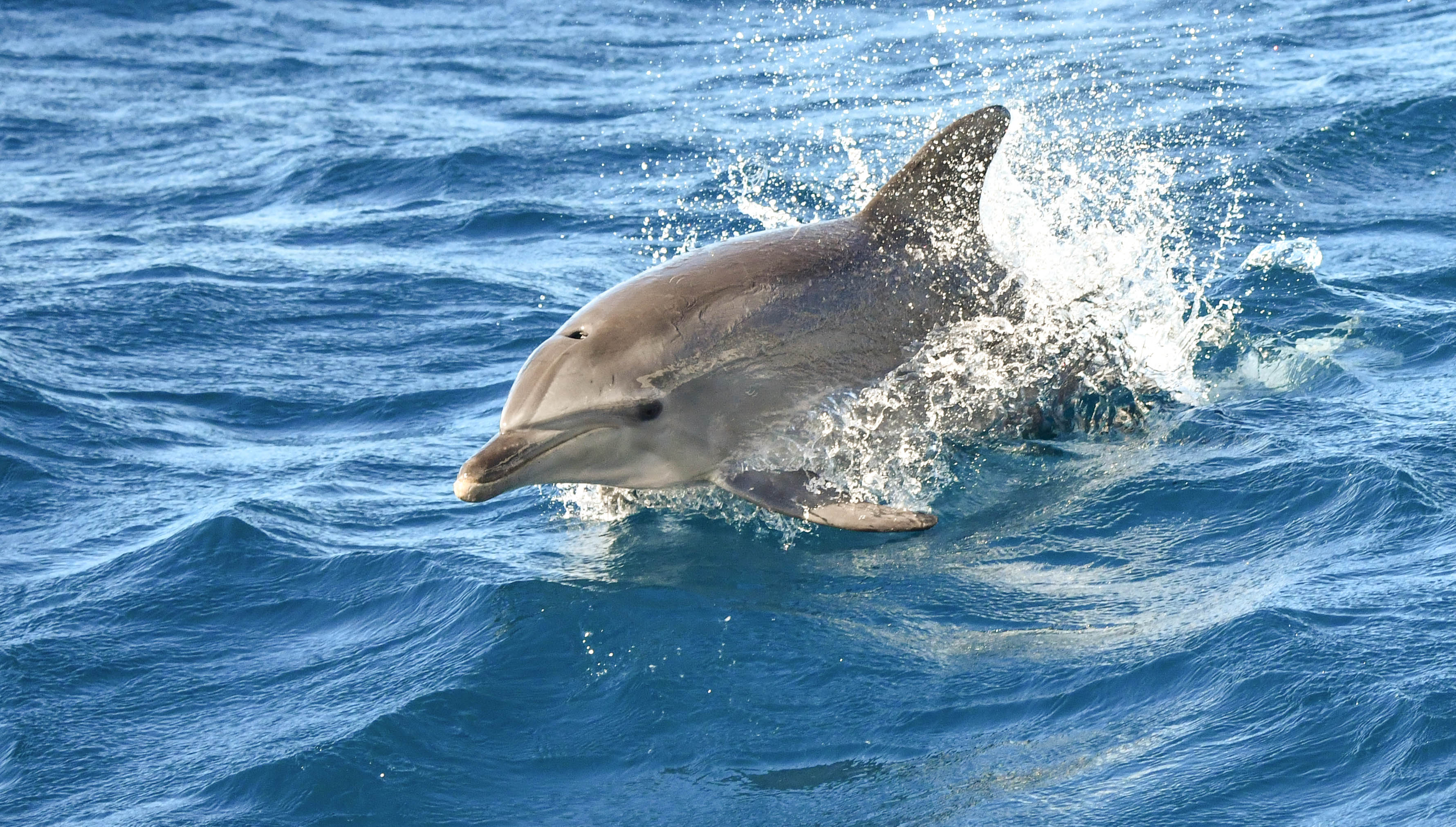
Even when guests come specifically to see humpback whales, many leave talking about the other wildlife they encountered.
Depending on conditions, you may also see:
· Bottlenose dolphins
· Common dolphins
· Sea turtles
· Seabirds
· Seasonal marine life
Every trip offers something different, and many guests are delighted to see dolphins during a whale watching cruise on the Gold Coast, along with turtles and other fascinating marine wildlife.
Why No Operator Can Guarantee Whale Behaviour
While sightings are often highly successful during migration season, no responsible operator can guarantee exactly what whales will do.
Wildlife behaves on its own terms.
One day may bring repeated breaches and close approaches.
Another may feature mother-and-calf interactions or competitive pods.
This unpredictability is part of what makes every encounter special.
No two cruises are ever exactly alike.
Experience Whale Watching Aboard the Sun Goddess
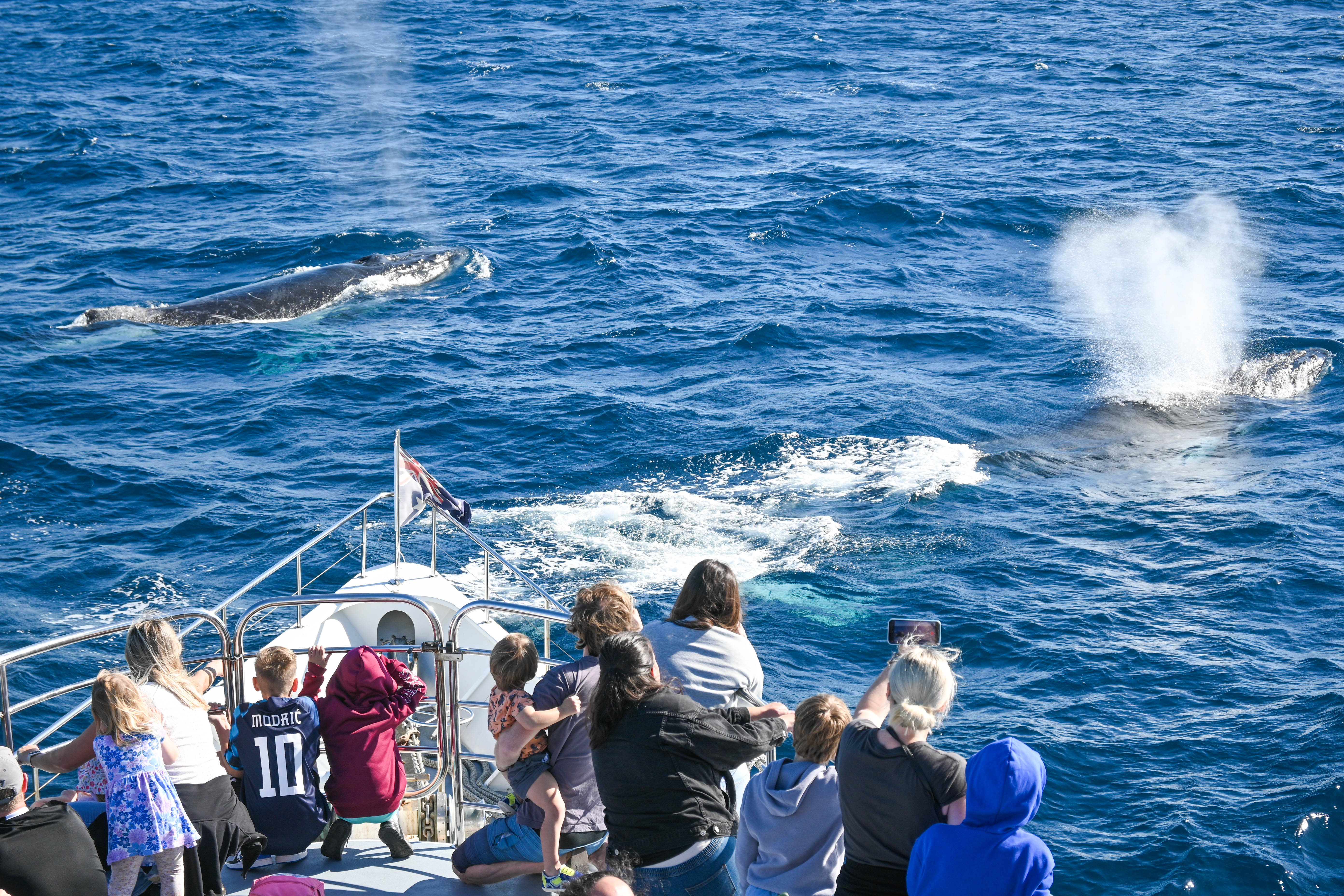
If you're ready to experience the annual humpback whale migration for yourself, Boattime's Gold Coast Whale Escape offers one of the Gold Coast's most comfortable and enjoyable whale watching experiences.
With spacious viewing decks, experienced crew, live commentary, and a fast, purpose-built vessel, you'll spend less time travelling and more time watching whales in their natural environment.
Whether you're hoping to witness spectacular breaching, playful calves, or your very first whale encounter, the Gold Coast Whale Escape is designed to help you make the most of the migration season.
Continue Planning Your Whale Watching Adventure
You might also find these guides helpful before booking your cruise:
Best Time for Whale Watching on the Gold Coast: A Month-by-Month Guide
Morning vs Afternoon Whale Watching Gold Coast: Which Cruise Should You Choose?
How Much Does Whale Watching Cost on the Gold Coast? A Complete Price Guide
How to Choose the Best Whale Watching Tour on the Gold Coast
Frequently Asked Questions
Are whale sightings common on the Gold Coast?
Yes. The Gold Coast sits directly on the humpback whale migration route, making sightings common throughout the whale watching season.
What month is best for whale watching on the Gold Coast?
August through October is generally considered the peak period for whale activity and sightings.
Can you see baby whales on the Gold Coast?
Yes. During the southbound migration, mothers often travel with newborn calves, particularly from August onward.
Is whale watching worth it if whales don’t come close?
Absolutely. Watching whales breach, tail slap, and travel naturally in the wild is impressive even from a distance.
Do dolphins appear during whale watching cruises?
Yes. Dolphins are frequently spotted throughout the Gold Coast whale watching season.