
When Is the Best Time for Whale Watching on the Gold Coast?
Every year, thousands of humpback whales migrate along Australia's east coast, creating one of the most spectacular wildlife experiences in Queensland. While whale watching cruises operate throughout the migration season, each month offers something slightly different.
Whether you're hoping to witness dramatic breaches, playful interactions, or unforgettable mother-and-calf encounters, understanding the migration timeline can help you choose the perfect cruise.
If you're planning your trip, it's also worth understanding what your chances of seeing whales on the Gold Coast are, whether a morning or afternoon cruise is better, and how to choose the best whale watching tour before booking.
May: The Start of the Migration
May marks the beginning of whale watching season on the Gold Coast.
The first humpback whales begin appearing offshore as they travel north toward warmer breeding grounds. Sightings are often less frequent than later in the season, but cruises can feel more exclusive due to lower visitor numbers.
What to expect:
Early migration activity
Smaller numbers of whales
Quieter cruises
Excellent ocean conditions
During the early migration, learning why humpback whales migrate past the Gold Coast every year helps explain why sightings become more frequent as the season progresses.
June: The Season Begins to Build
June is also an excellent time to witness incredible humpback whale behaviours, including breaching, tail slapping, and spy hopping.
This is often when many locals begin booking whale watching cruises, as the migration becomes increasingly active along the Gold Coast coastline.
Passengers frequently witness:
Tail slaps
Pectoral fin waves
Surface activity
Close encounters near the vessel
July: Peak Migration Activity
July is widely considered one of the best months for whale watching on the Gold Coast.
Large numbers of humpback whales travel through local waters, increasing the likelihood of multiple sightings during a single cruise.
Visitors may experience:
Frequent whale encounters
Spectacular breaches
Competitive group behaviour
High-energy surface displays
For many guests, July offers the ideal balance between whale numbers and favourable winter weather. Families visiting during July often ask whether children can go whale watching on the Gold Coast, making it one of the most popular months for family cruises.
August: One of the Most Popular Months
August and September are often considered the best months to witness mother and calf humpback whale encounters, creating unforgettable experiences for passengers.
Whales remain abundant, and many cruises encounter multiple pods throughout the day. Conditions are often excellent for photography thanks to the clear winter skies and calm seas.
Highlights include:
Strong photography opportunities
Active whale behaviour
Comfortable temperatures
September: Mother and Calf Encounters Increase
As whales begin their southern migration, more mothers and calves can be observed travelling together.
These encounters are often among the most memorable experiences of the season.
Guests may witness:
Calves learning migration behaviours
Mothers resting near the surface
Gentle interactions between whales
Longer viewing opportunities
During this period, passengers may also hear about why humpback whales sing as adults continue communicating throughout the migration.
October: A Different Side of the Migration
October offers a unique perspective on whale watching.
Many whales are now returning south, often travelling at a slower pace with calves. This can create excellent opportunities for extended viewing.
The atmosphere on board tends to feel more relaxed while still providing fantastic wildlife encounters.
November: The Final Weeks of the Season
By November, the migration begins winding down.
While sightings become less frequent, cruises can still deliver memorable encounters before the season ends.
For visitors travelling late in the year, November remains an excellent opportunity to experience humpback whales before they continue their journey south.
Even toward the end of the season, passengers still have excellent opportunities to see whales, although your chances of seeing whales on the Gold Coast gradually decline as fewer whales migrate through the region.
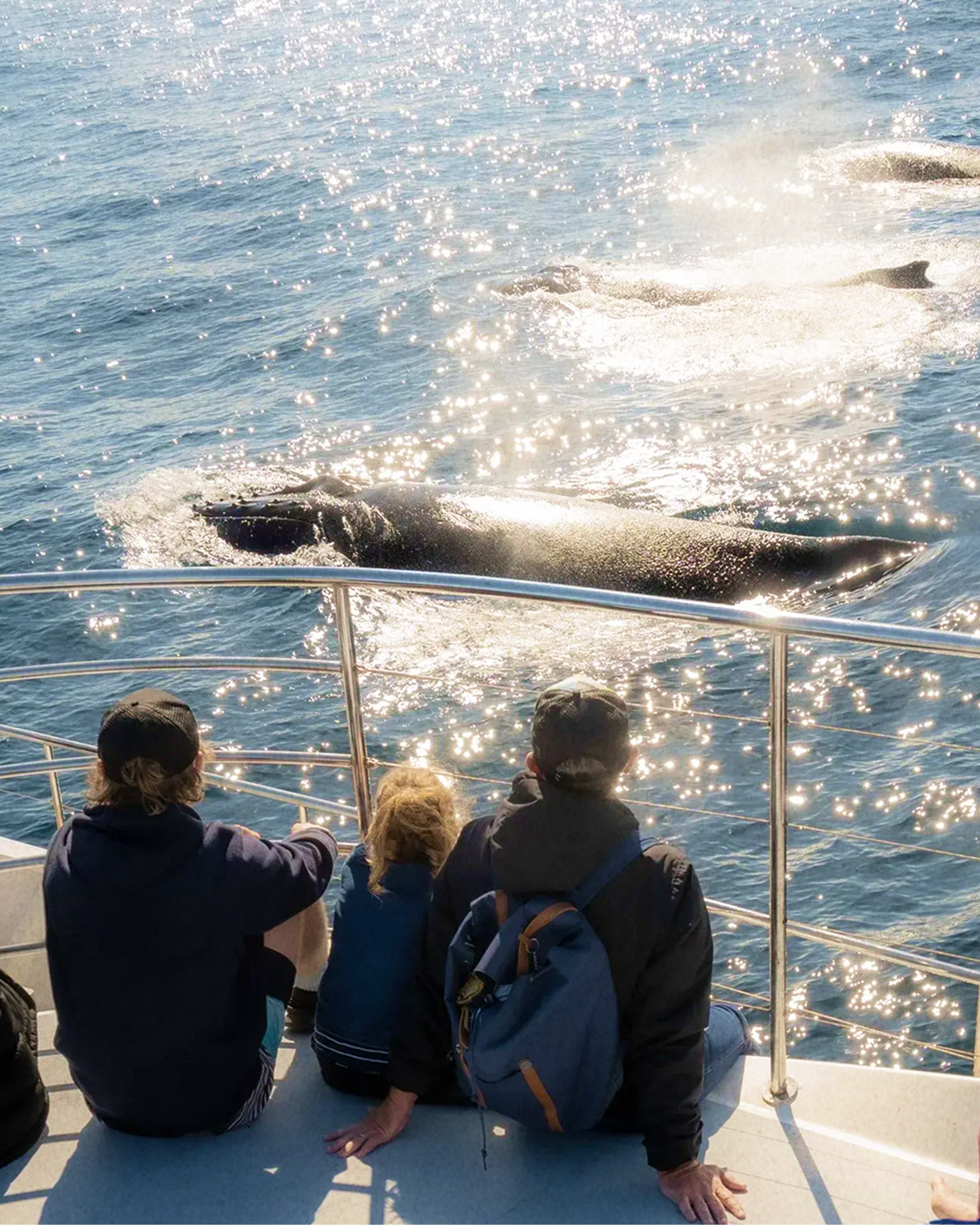
So When Is the Best Month?
The answer depends on what you're hoping to experience.
June–August: Highest whale numbers
July–August: Peak activity and frequent sightings
September–October: Best opportunities for mother-and-calf encounters
May and November: Quieter cruises with fewer crowds
No matter when you visit during the migration season, every whale watching cruise offers a unique opportunity to witness one of nature's greatest journeys.
If you're still deciding, compare morning vs afternoon whale watching cruises on the Gold Coast to find the departure that best matches your preferences.
Experience Luxury Whale Watching on the Gold Coast
Aboard the Sun Goddess superyacht, guests enjoy spacious viewing decks, premium onboard facilities, and exceptional opportunities to observe humpback whales in comfort.
Whether you're visiting during peak migration or hoping to see mothers and calves later in the season, Boattime Yacht Charters offers an unforgettable whale watching experience on the Gold Coast.
Before booking, it's also useful to understand how much whale watching costs on the Gold Coast and what influences the value of different cruise experiences.
If you're comparing operators, our guide on how to choose the best whale watching tour explains the most important factors to consider.
Book your luxury whale watching cruise and experience the migration for yourself.
Related Articles
Continue planning your whale watching adventure: