
Whale watching season on the Gold Coast is about far more than simply spotting a whale in the distance. Every season, thousands of humpback whales migrate along Australia’s east coast, creating opportunities to witness some of the most fascinating wildlife behaviours on earth.
Whether it’s a full-body breach, a powerful tail slap, or a curious calf approaching the vessel, every encounter tells a story about how these remarkable animals communicate, navigate, and interact with one another.
If you’re planning a whale watching cruise this season, here are seven incredible whale behaviours you might be lucky enough to witness.
What Makes Gold Coast Whale Watching So Special?
The Gold Coast sits directly on the annual humpback whale migration route. Between May and November, whales travel north toward warmer breeding waters before returning south with newborn calves.
Because the migration corridor passes relatively close to shore, whale watching vessels can often observe natural whale behaviour without travelling long distances offshore.
If you’re new to whale watching, read our complete guide to luxury whale watching on the Gold Coast for everything you need to know before your cruise.
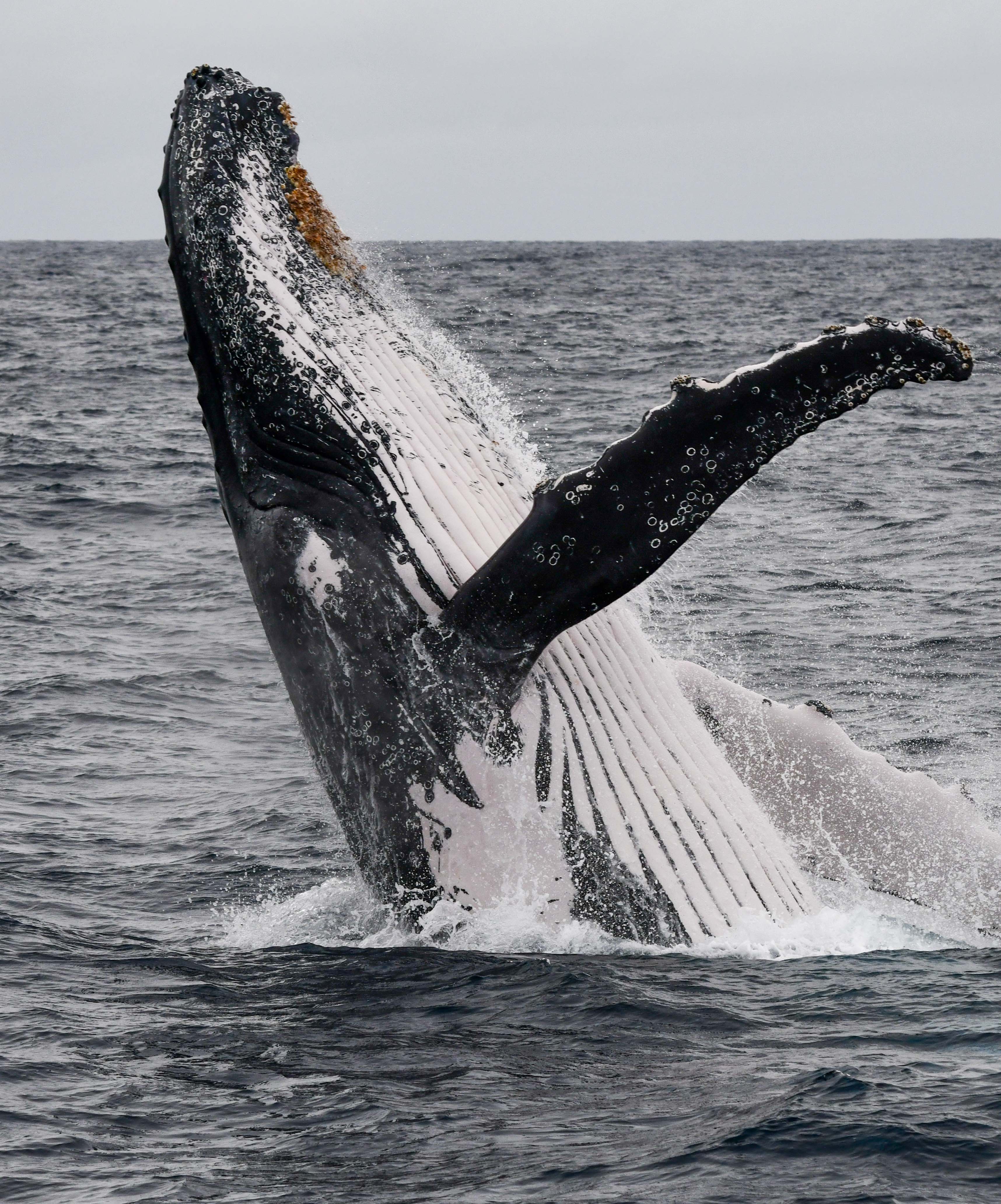
1. Breaching
Why Do Whales Breach?
Breaching occurs when a whale launches most or all of its body out of the water before crashing back onto the surface.
It’s one of the most dramatic wildlife spectacles you’ll ever witness.
Scientists believe whales breach for several possible reasons:
· Communication with other whales
· Removing parasites from their skin
· Playful behaviour
· Courtship displays
· Social interaction within pods
A fully grown humpback whale can weigh more than 30 tonnes, making every breach a truly unforgettable sight.
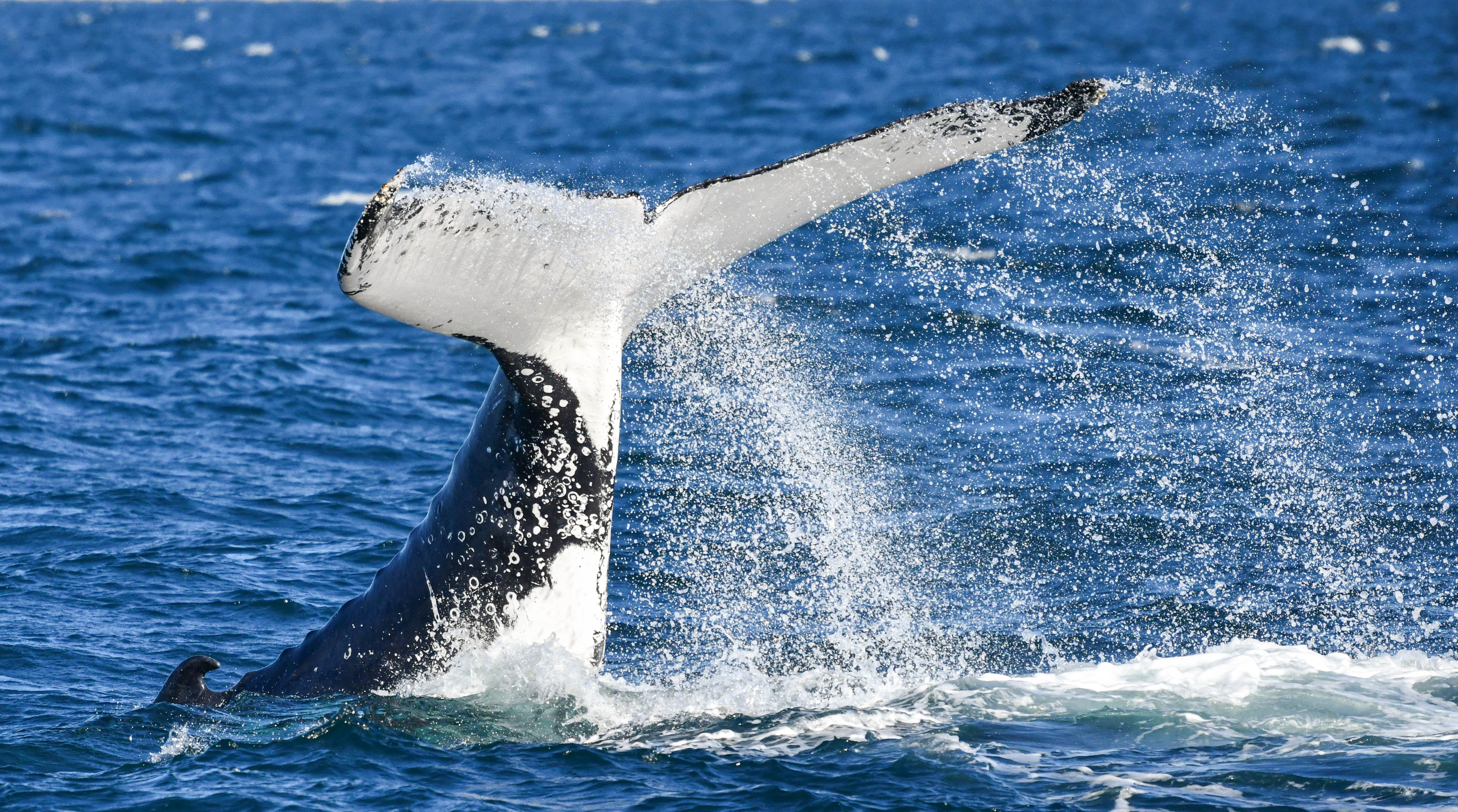
2. Tail Slapping
Why Do Whales Slap Their Tails?
Tail slapping, also known as lobtailing, happens when a whale repeatedly smacks its tail against the water’s surface.
This behaviour creates a loud sound that can travel long distances underwater.
Researchers believe tail slaps may help whales:
· Communicate with nearby pods
· Warn off competitors
· Coordinate group movement
· Express excitement or agitation
When viewed from the deck of a whale watching vessel, the powerful splash can often be seen from hundreds of metres away.
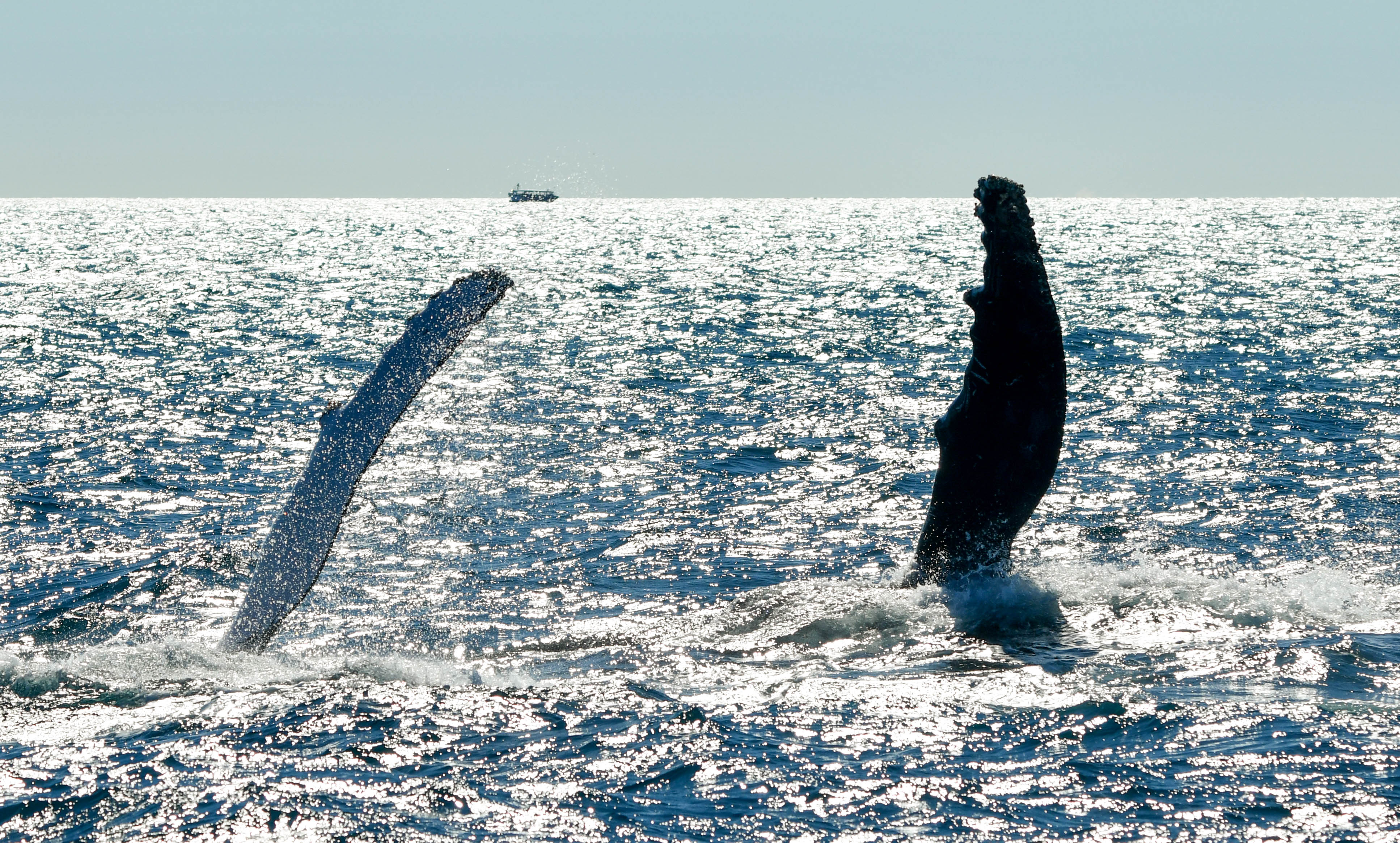
3. Pectoral Fin Slapping
Why Do Whales Hit the Water With Their Fins?
Humpback whales are famous for their enormous pectoral fins, which can reach up to five metres in length.
Sometimes whales raise these fins above the water and slap them onto the surface.
Known as pec slapping, this behaviour is thought to be another form of communication.
It may also help whales attract attention during social interactions, particularly during the breeding season.
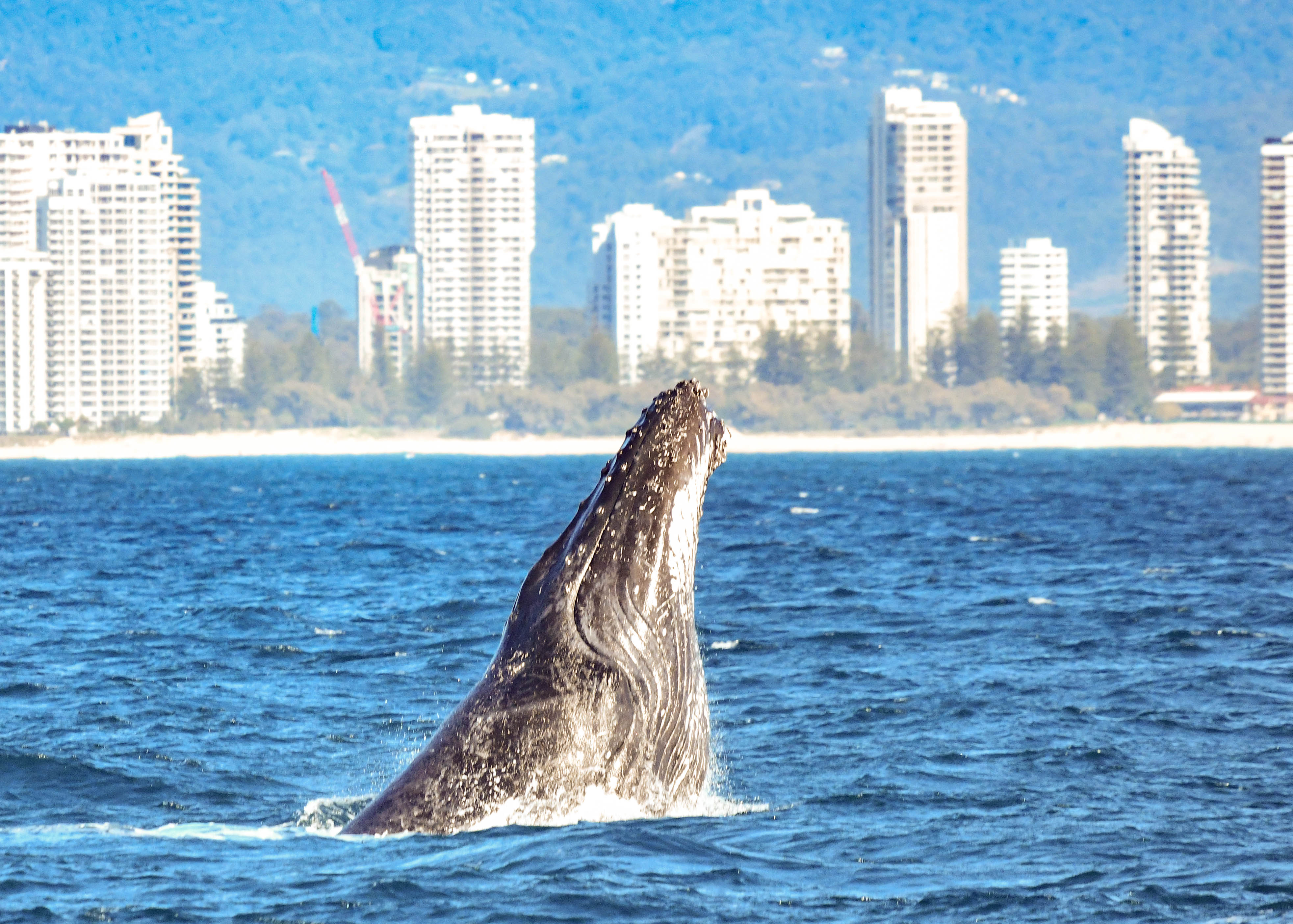
4. Spy Hopping
Why Do Whales Lift Their Heads Out of the Water?
Spy hopping occurs when a whale rises vertically and pokes its head above the water while remaining mostly stationary.
The behaviour often looks as though the whale is curiously observing its surroundings.
Scientists believe whales may use spy hopping to:
· Inspect nearby vessels
· Observe activity above the water
· Navigate coastal environments
· Explore unfamiliar objects
It’s one of the rarest and most memorable whale behaviours to witness.
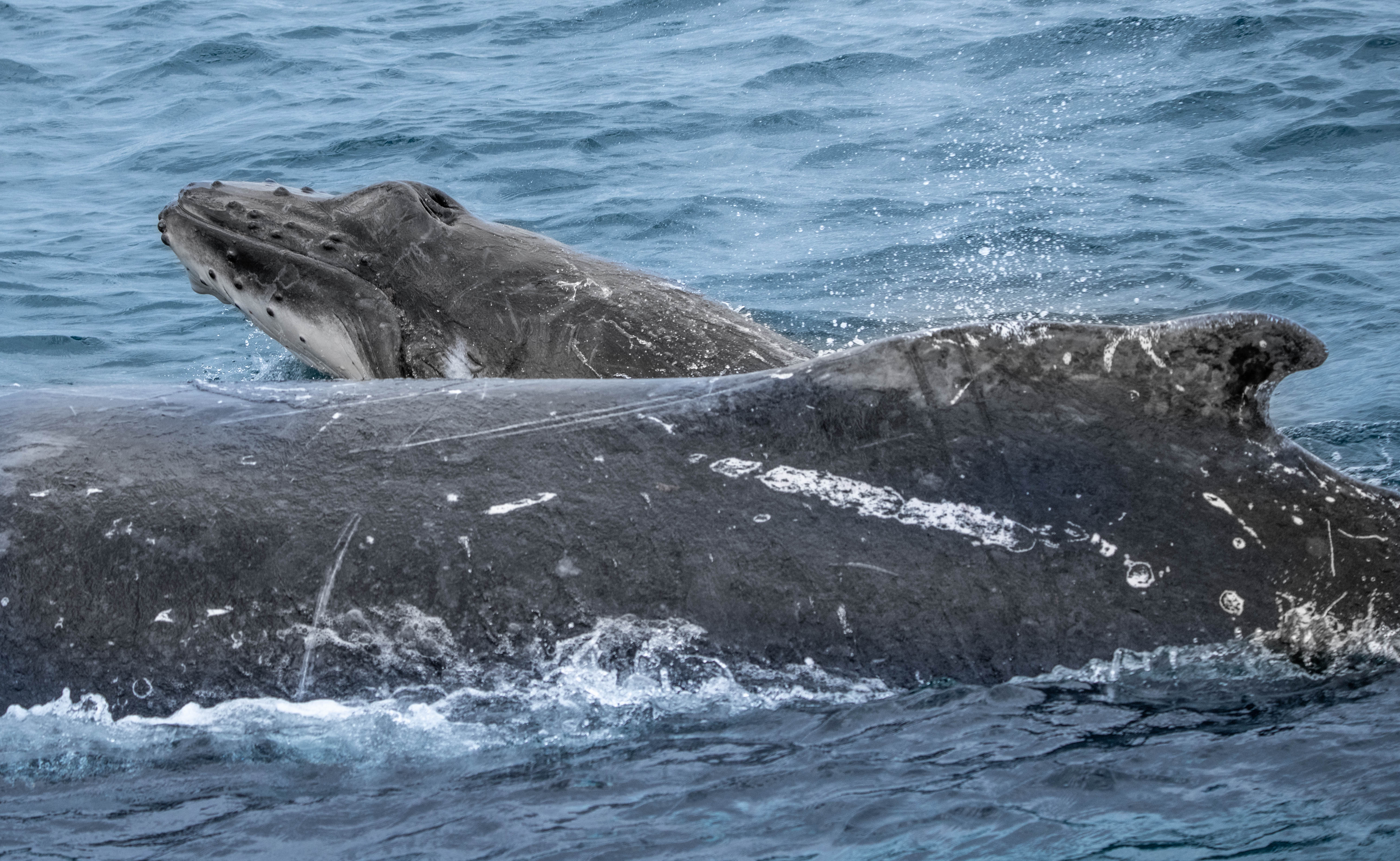
5. Mother and Calf Interactions
One of the highlights of the southbound migration is the opportunity to observe mothers travelling with newborn calves.
Young calves are often energetic, curious, and playful as they learn essential survival skills.
Guests may witness:
· Calves practising small breaches
· Mothers guiding their young
· Close swimming formations
· Playful surface activity
For many passengers, seeing a mother and calf together becomes the most emotional moment of the entire cruise.
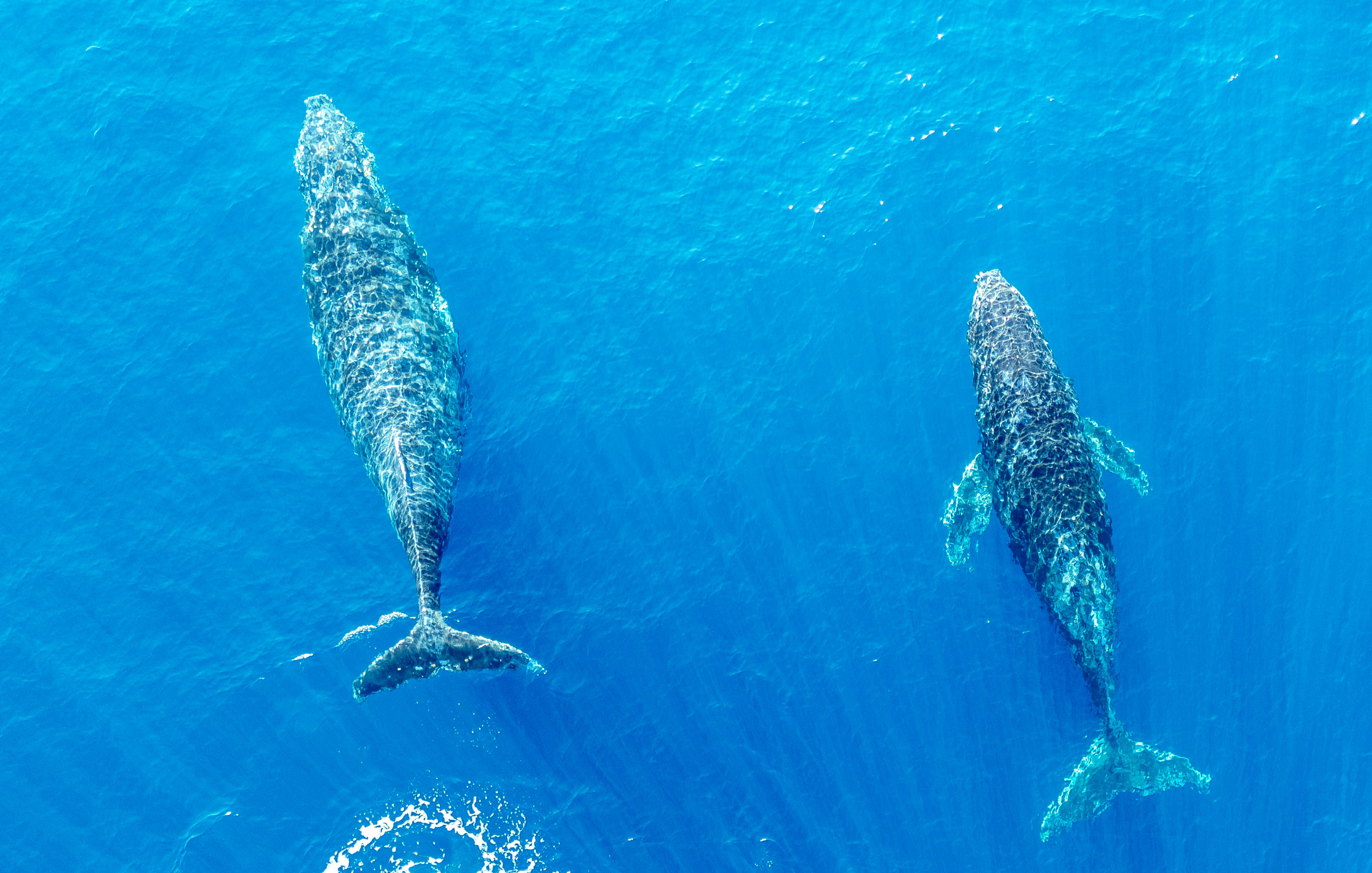
6. Competitive Pods
What Is a Competitive Pod?
A competitive pod forms when multiple male whales pursue a single female during the breeding season.
These groups can become highly active and produce some of the most exciting whale watching encounters of the year.
You may observe:
· Rapid swimming
· Repeated breaching
· Tail slapping
· Close group interactions
Competitive pods are most commonly seen during peak migration months and often generate spectacular surface activity.
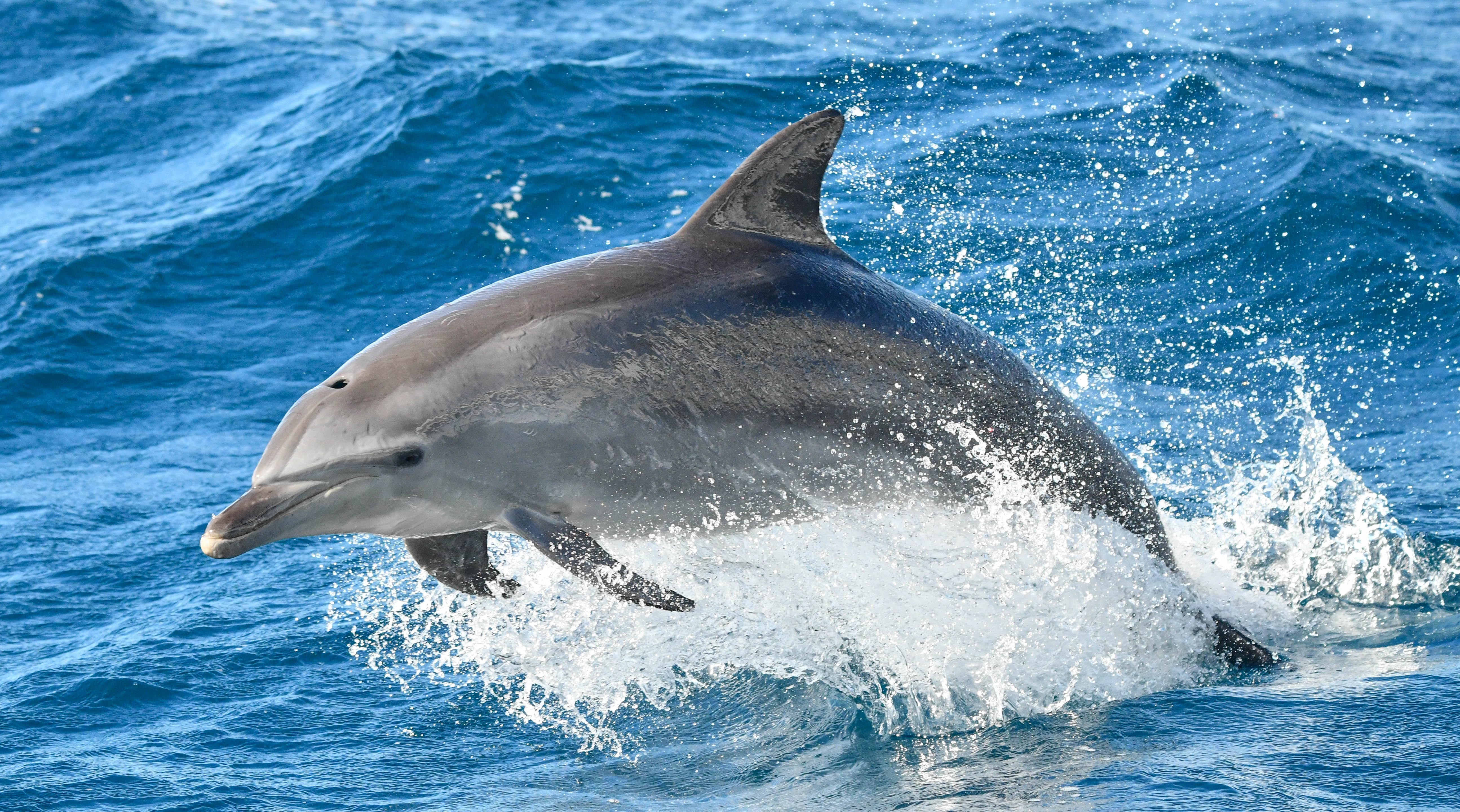
7. Dolphin Encounters Along the Way
While whales are undoubtedly the stars of the show, they’re not the only marine wildlife visitors can encounter on a Gold Coast cruise.
Bottlenose dolphins are frequently spotted throughout the season and are known for riding the vessel’s bow wave.
Depending on conditions, guests may also encounter:
· Common dolphins
· Sea turtles
· Seabirds
· Other marine wildlife
These unexpected encounters add even more excitement to every trip.
When Are You Most Likely to See These Behaviours?
Although whale sightings are common throughout the migration season, certain behaviours tend to be more frequent during specific periods.
· May to July: Northbound migration, active travel and social behaviour
· August to October: Peak season with the highest levels of surface activity
· August to November: Excellent opportunities to see mothers and calves
Weather, ocean conditions, and natural whale behaviour all influence what guests experience on any given day, which is part of what makes every cruise unique.
Experience These Behaviours From the Deck of the Sun Goddess
There’s no guarantee exactly which whale behaviours you’ll witness on any individual cruise, but that’s part of the magic.
Every encounter is different.
One day may feature repeated breaches. Another may offer close mother-and-calf interactions or playful dolphins alongside the vessel.
During whale watching season, the Sun Goddess provides guests with front-row access to one of Australia’s most extraordinary natural events.
Whether you’re a first-time visitor or a returning wildlife enthusiast, there’s always something remarkable waiting beyond the Gold Coast coastline.
Ready to book your Whale Watching?
New to whale watching? Read our complete guide first The Complete Guide of Luxury Whale Watching on the Gold Coast
Frequently Asked Questions
Why do humpback whales breach?
Scientists believe breaching may help whales communicate, remove parasites, play, or attract attention from other whales.
What is the rarest whale behaviour to see?
Spy hopping is generally considered one of the less commonly observed whale behaviours during whale watching cruises.
When is the best time to see active whale behaviour on the Gold Coast?
August through October typically delivers the most active whale behaviour, including breaches, tail slaps, and competitive pods. Read this article to know when is the Best Time for Whale Watching
Can baby whales be seen during whale watching season?
Yes. During the southbound migration, many females travel with newborn calves, creating excellent opportunities for family whale encounters.
Do dolphins often appear during whale watching cruises?
Yes. Bottlenose dolphins are commonly seen throughout the Gold Coast whale watching season and frequently interact with vessels.