
Why Do Humpback Whales Migrate Past the Gold Coast Every Year?
Every year between May and November, thousands of humpback whales travel along Australia's east coast, passing the Gold Coast on one of the world's longest mammal migrations.
For visitors, this incredible journey creates one of the best whale watching experiences in Australia. But have you ever wondered why these gentle giants travel thousands of kilometers each year?
Understanding their migration makes every whale encounter even more meaningful.
Planning your first whale watching trip? Read our complete guide to luxury whale watching on the Gold Coast to learn what to expect before your cruise.
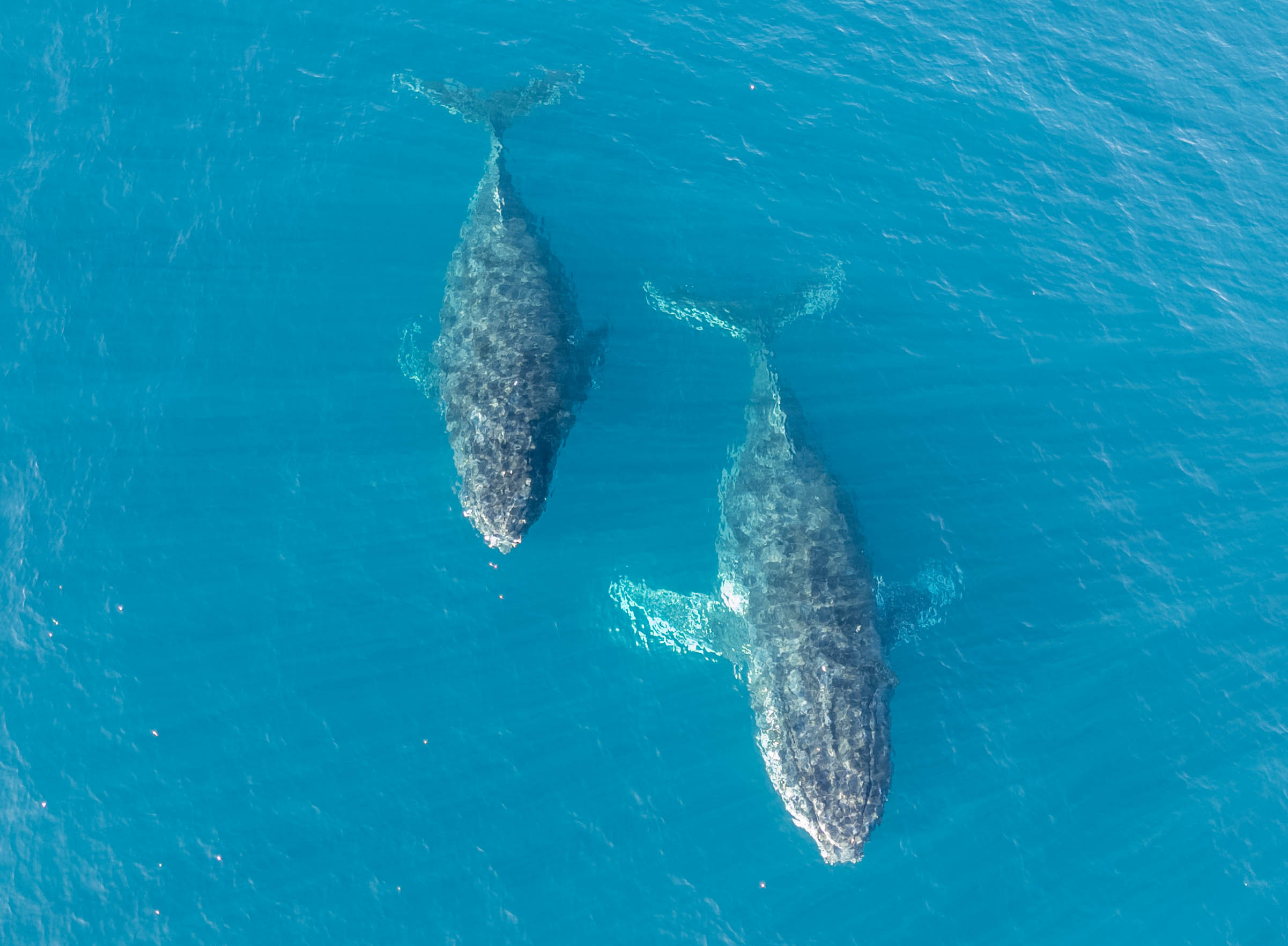
A Journey Thousands of Kilometers Long
Humpback whales spend much of the year feeding in the cold, nutrient-rich waters of Antarctica.
As winter approaches, they begin an extraordinary migration north toward the warmer waters of Queensland.
Some whales travel more than 10,000 kilometers during this annual journey, making it one of the longest migrations of any mammal on Earth.
The Gold Coast sits directly along this migration route, giving visitors an excellent opportunity to witness these magnificent animals.
If you're wondering how often guests actually encounter whales during migration, read our guide on your chances of seeing whales on the Gold Coast.
Why Do They Leave Antarctica?
The answer is surprisingly simple: food and family.
During summer, Antarctica provides an abundance of krill, allowing humpback whales to build the energy reserves needed for migration.
During winter, however, food becomes less available.
At the same time, warmer tropical waters provide a much safer environment for breeding and giving birth.
Why Queensland?
Queensland's warmer waters offer several advantages.
Newborn calves are born with only a thin layer of blubber.
Unlike adult whales, they cannot survive the freezing Antarctic waters immediately after birth.
The warmer conditions help calves:
Conserve energy
Grow rapidly
Develop strength for the return journey
Stay protected during their first months of life
This is why mothers and calves are commonly seen later in the migration season.
This is also why mother and calf encounters are one of the highlights of the Gold Coast whale watching season.
Why Is the Gold Coast Such a Great Place for Whale Watching?
The Gold Coast lies directly beside the "Humpback Highway" — the migration corridor used by thousands of whales every year.
As whales travel north and later return south, they pass surprisingly close to the coastline.
This makes whale watching cruises one of the best ways to experience the migration without travelling far offshore.
What Happens During the Migration?
Migration is not simply about travelling from one place to another.
Along the way, whales may:
Breach dramatically
Slap their tails on the water
Wave their enormous pectoral fins
Communicate through songs
Socialise with other whales
Escort calves on their first migration
Every cruise offers different behaviours depending on the whales encountered.
Learn more about the Incredible Whale Behaviours You Might Witness during your cruise.
When Can You See the Migration?
Although humpback whales travel past the Gold Coast from May through November, each month offers a unique experience.
Early in the season, whales migrate north toward breeding grounds.
Later in the season, many return south accompanied by newborn calves.
See our Month-by-Month Whale Watching Guide to discover whwat you can expect throughout the season
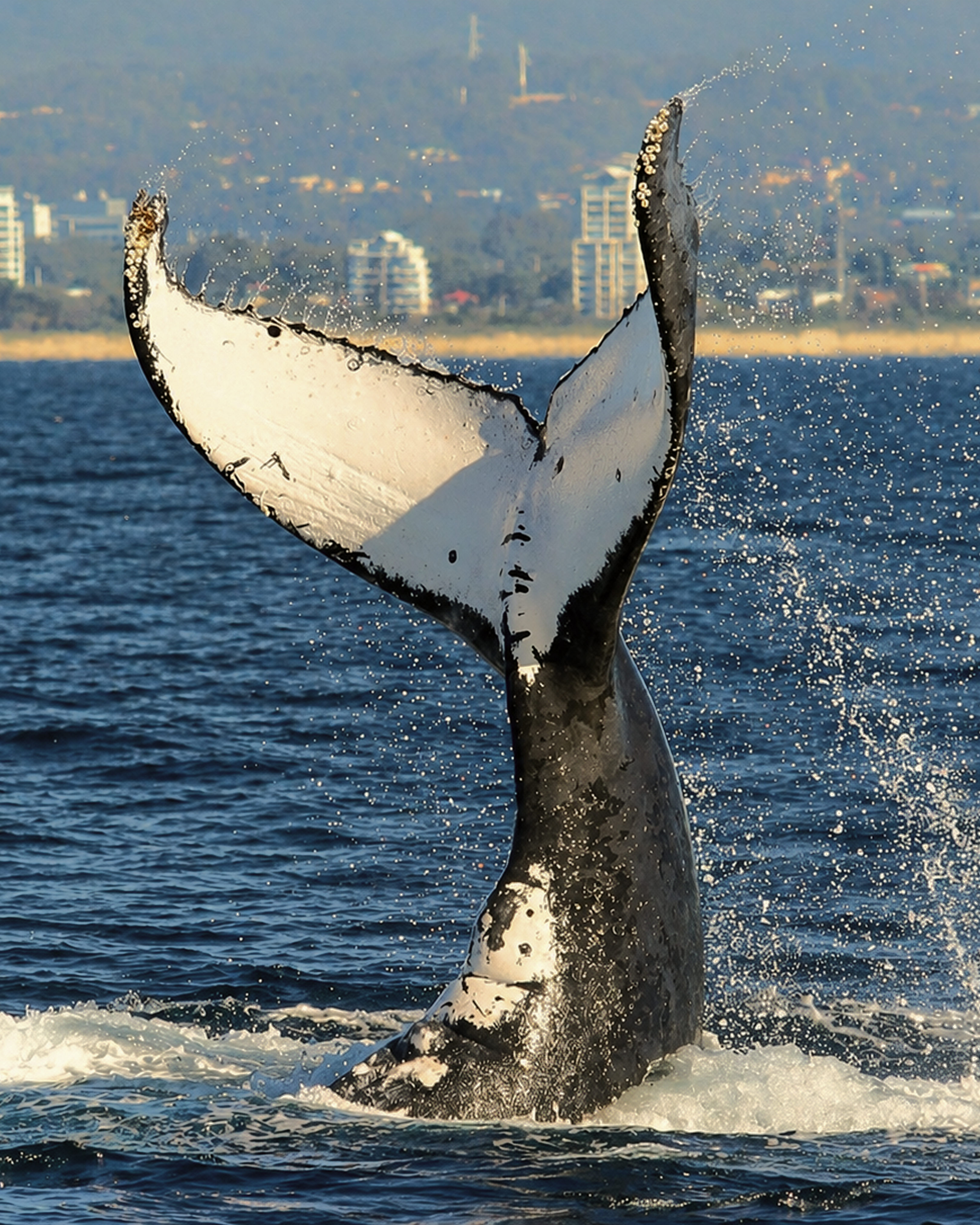
An Incredible Conservation Success Story
Humpback whales were once heavily hunted throughout the Southern Hemisphere.
Thanks to international conservation efforts and strict protections, populations have recovered significantly over recent decades.
Today, responsible whale watching allows people to appreciate these remarkable animals while supporting marine conservation and education.
Choosing a responsible operator is equally important. Here's how to choose the best whale watching tour on the Gold Coast.
Experience the Migration for Yourself
Experience the migration aboard Boattime's Luxury Whale Watching Gold Coast cruise, where spacious viewing decks and experienced crew provide unforgettable encounters with migrating humpback whales.
Reading about whale migration is fascinating, but witnessing it from the deck of a luxury vessel is unforgettable.
Aboard the Sun Goddess, guests enjoy spacious viewing areas, experienced crew, and front-row seats to one of nature's greatest spectacles.
Whether it's your first whale watching adventure or a return visit to the Gold Coast, watching humpback whales migrate is an experience you'll never forget.
Related Whale Watching Guides
If you're planning your whale watching adventure, these guides can help you learn even more:
Frequently Asked Questions
Why do humpback whales migrate?
Humpback whales migrate to breed, give birth, and raise calves in warmer tropical waters before returning to Antarctica to feed.
How far do humpback whales migrate?
Some humpback whales travel more than 10,000 kilometres during their annual migration between Antarctica and Queensland.
Why do whales come to the Gold Coast?
The Gold Coast lies along Australia's east coast migration route, making it one of the best places to observe humpback whales.
When do humpback whales migrate past the Gold Coast?
Migration generally occurs from May to November each year.
Can you see baby whales on the Gold Coast?
Yes. Mothers and calves are commonly seen during the southern migration later in the season.